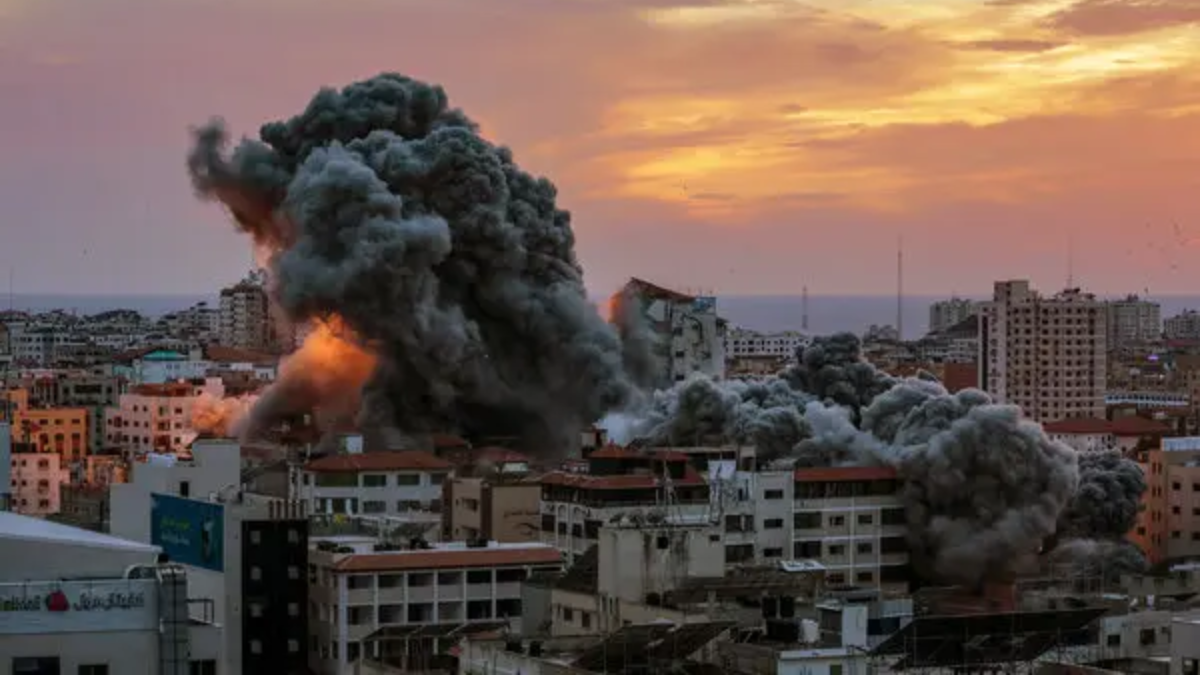


The conflict between the United States and Iran intensified on Friday as both countries exchanged fresh drone and missile attacks, while a senior Iranian military adviser warned that Tehran would expand its military response if the US campaign continues.
The US Central Command said on X that American forces carried out strikes against Iran for a seventh straight night, describing the operations as part of efforts to "continue degrading Iranian military capabilities."
In what marked the most significant escalation since hostilities resumed, Iran accused the United States of striking civilian infrastructure, including an airport, a railway station and two bridges. Tehran also claimed it had launched attacks against US assets across the region.
Although US President Donald Trump has previously warned of potential strikes on Iranian infrastructure, there was no confirmation from Washington on Friday that such operations had begun.
Reacting to the escalating conflict, UN Secretary-General Antonio Guterres voiced "deep concern" and said attacks on civilian infrastructure are "unacceptable."
Major General Mohsen Rezaei, a senior military adviser to Iran's supreme leader, warned that Tehran would resume "full-scale offensive operations" if US attacks continue for another two or three days.
"Iran will no longer limit itself to retaliatory, like-for-like responses...and no political border will be safe," Rezaei said, according to the Iranian news agency IRIB.
The current war began on February 28 with US-Israeli strikes on Iran. Tehran responded by effectively shutting the Strait of Hormuz, a key global oil shipping route, and launching attacks on Israel as well as American interests across the Gulf.
Majid Mousavi, commander of the Iranian Revolutionary Guards' aerospace force, said "targeted strikes from across Iran against the enemy will continue" until the United States halts operations targeting Iran's southern coastal facilities and areas around the Strait of Hormuz.
David Khalfa, a Middle East specialist at the Jean-Jaures Foundation, a Paris-based think tank, said an increasingly broad range of critical infrastructure had become part of the conflict.
"The paradox is that, while the conflict continues to escalate, neither side has a strategic interest in allowing this dynamic to continue. Yet both perceive any compromise as a form of capitulation," Khalfa told AFP.
Iran's energy ministry appealed to residents to cut electricity consumption and avoid using air conditioners during peak hours after saying US strikes on energy facilities had placed additional strain on the country's power grid despite soaring temperatures in several regions.
Having previously warned that it would target infrastructure across the region if its own facilities came under attack, Iran launched a series of strikes on Friday.
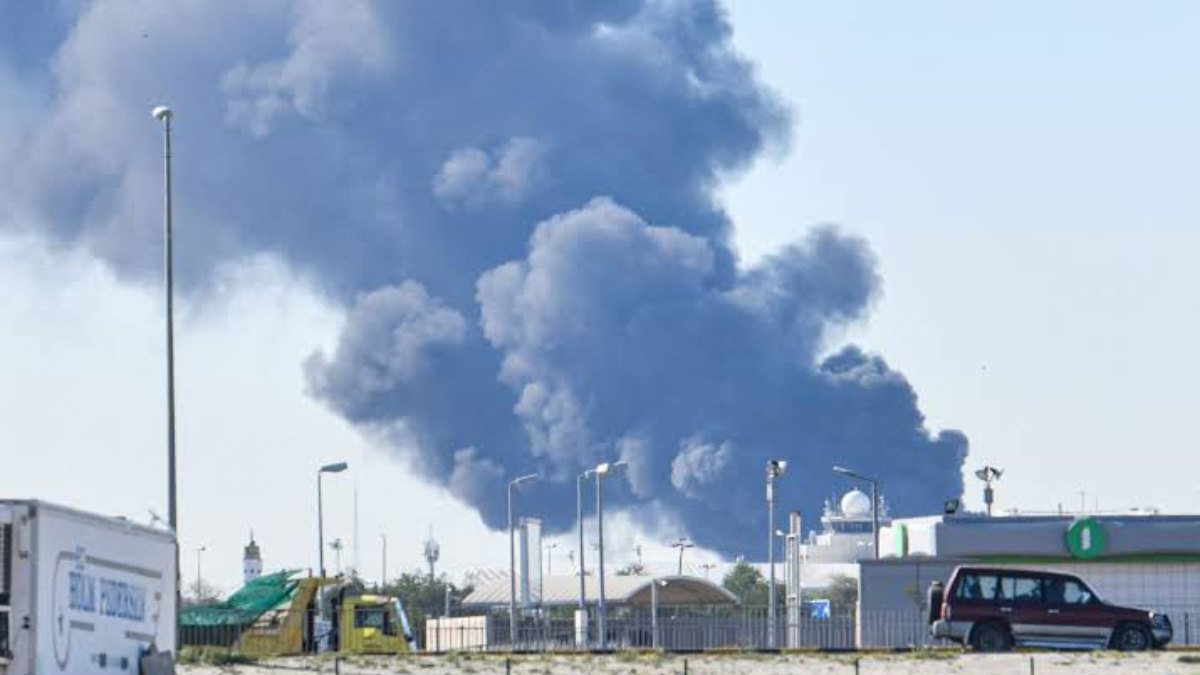
In Kuwait, where Tehran said it had targeted US military installations, authorities said an Iranian strike damaged a power and water plant and urged consumers to conserve electricity. The Kuwaiti military added that several personnel were injured after Iranian drones struck multiple military bases and camps.
Iran's Revolutionary Guards also said they targeted US radar systems and military aircraft in Qatar to "punish the aggressor", while Qatari authorities said they intercepted a missile attack.
Abu Baker, a Sudanese resident of Qatar, recalled hearing air raid alerts as he prepared to sleep and hoped the interception would occur over the sea.
"Then it hit and it shook my house," he added. "I am worried that this war will drag on...but thank God we're in a country that protects us."
Tehran also claimed its forces attacked two US radar sites in Oman and the Al-Tanf military base in Syria. A Syrian military source denied any strike had occurred, while US forces said they had already withdrawn from the base earlier this year.
Jordan's military said it intercepted and shot down three Iranian missiles.
Iranian state media reported that Tehran also targeted US helicopters and aircraft stationed at an airbase in Bahrain, prompting authorities in the Gulf nation to advise residents to seek shelter.
Elsewhere, drone and rocket attacks in Iraq's Kurdistan region killed nine members of the exiled Komala Party of Iranian Kurdistan, an Iranian Kurdish armed opposition group, which blamed Iran for the assault.
Iran's health ministry said renewed fighting has left at least 38 people dead and more than 400 others injured inside the country.
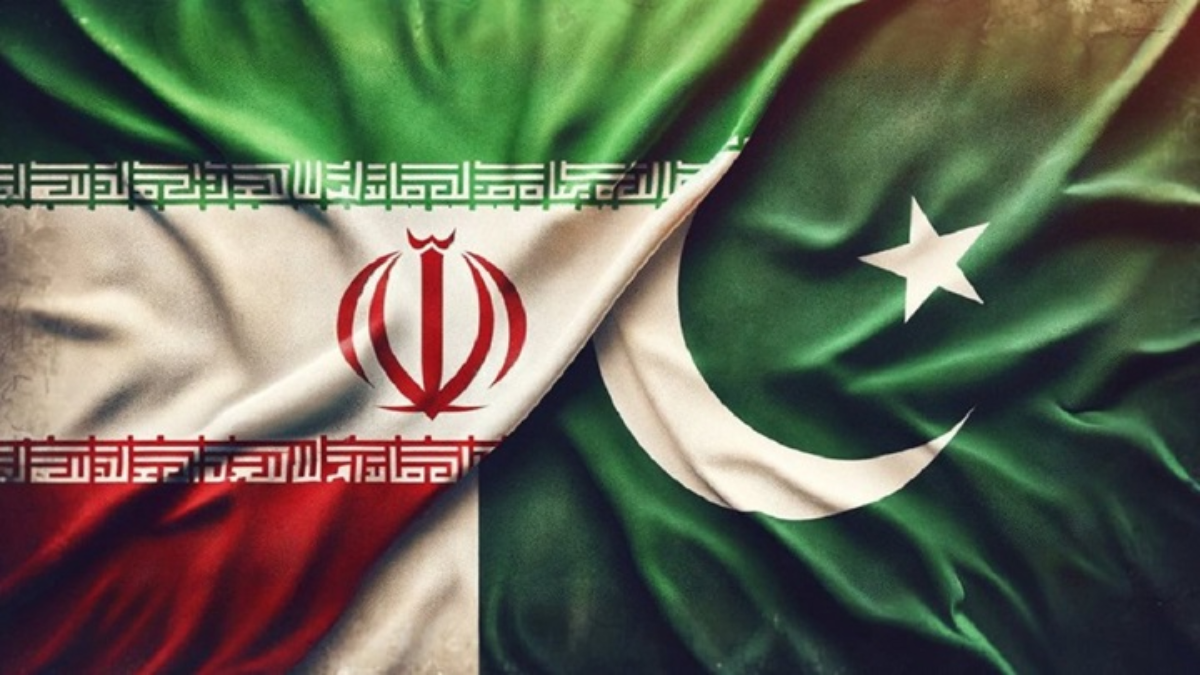
Diplomatic efforts to halt the conflict continued, with mediators seeking to bring both sides back to negotiations. China and Pakistan also called on the United States and Iran to end hostilities and resume talks.
The broader confrontation has also disrupted maritime security. The United States has reinstated its blockade of Iran's ports, while attacks on vessels in the Strait of Hormuz have continued. The UK Maritime Trade Operations agency said on Friday that a tanker had been struck by a projectile off the coast of Oman overnight.
Also Read | Pakistan Fears Being Pulled Into US-Iran Conflict After Houthis Strike Saudi Arabia
Also Read | UK Labour Party Set to Confirm Andy Burnham as UK Prime Minister